Belfast-born/London-based duo BICEP (Matt McBriar and Andy Ferguson) are childhood friends who bonded over a shared love of dance music. In the decades since first meeting, aged 8, BICEP have become one of the world’s most avidly appreciated curators and producers of electronic music.
Born and raised in Belfast, the pair’s home listening ran the gamut from Slayer and Tangerine Dream to Irish legends Thin Lizzy, Rory Gallagher and Moya Brennan. Both, however, cut their musical teeth in their hometown’s thriving club scene, centred around legendary Belfast venue Shine.
“Going to Shine was like being smacked in the head with a hammer,” says Matt. “It was either very intense, in-your-face italo tinged electro or really aggressive techno. Anything that sounded moderate was back bar music. The main rooms were always harder”.
“If it wasn’t energetic, it was boring,” says Andy, of the music that predominated at the time. “Especially in the 90s, even the local radio there would be playing trance hits. It was way more ingrained in Belfast than in London”.
Shine became a breeding ground for the city’s DJs and producers, as well as a welcome respite from the divisions that predominated in Belfast at that time. “It’s a cliché,” says Matt, “but dance music will have a big effect in such a place. I think that’s why it was, subconsciously, a bit more important there. No matter what, it gave people a chance to switch off, even just socially, to not feel it was us versus them”.
The duo parted ways after school, both leaving Belfast for further afield. Andy went to study Chemical Engineering in Manchester, while Matt studied design in Newcastle, but both took their love of dance music with them, regularly one-upping each other with deep cuts and lost classics they’d email back and forth. This habit grew to become FEEL MY BICEP, the blog they started in 2008 as a showcase for their favourite lost-but-not-yet-forgotten synth, house, funk and Italo disco rarities.
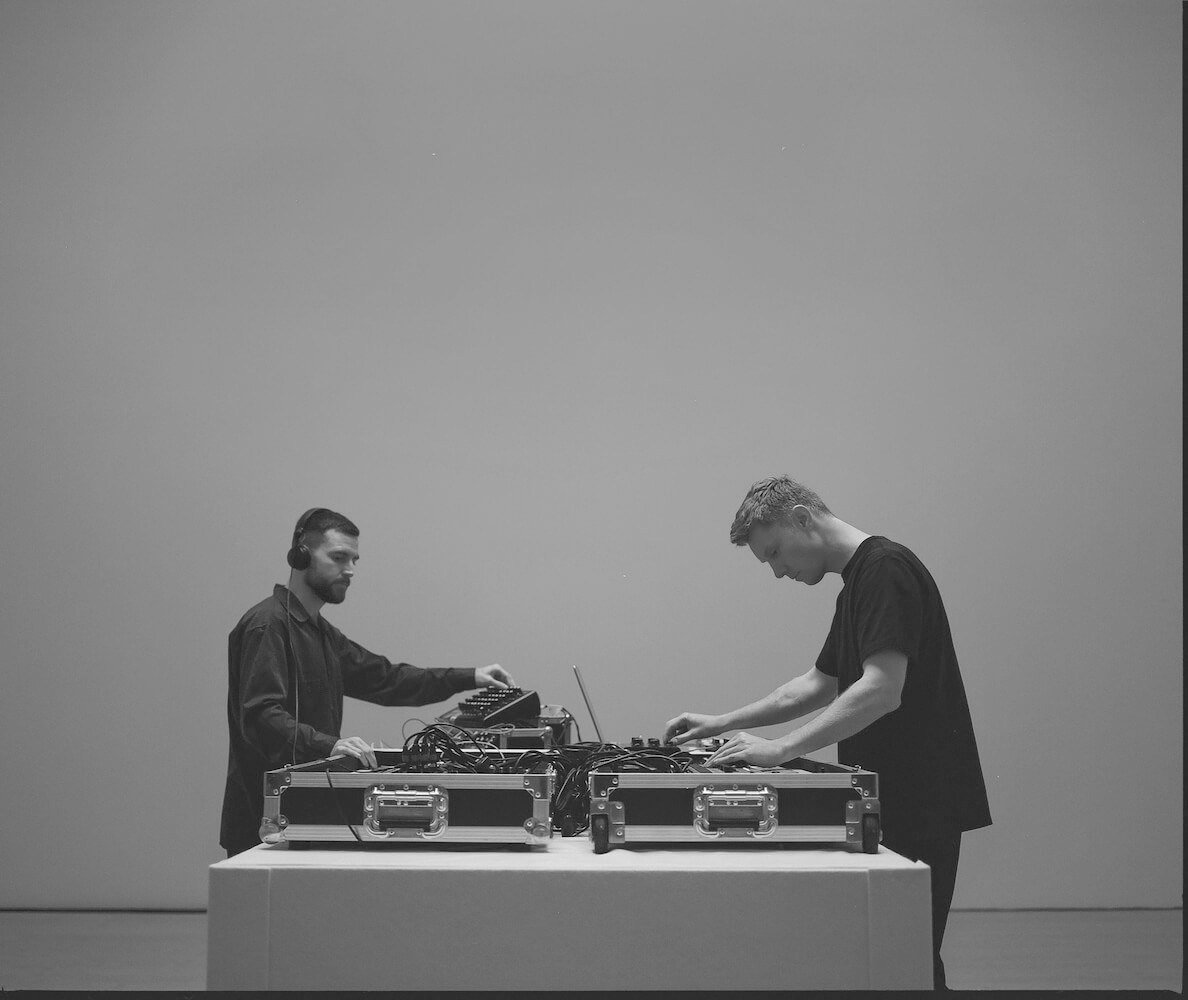
Launch of the blog, sharing forgotten disco, house and techno records with friends.

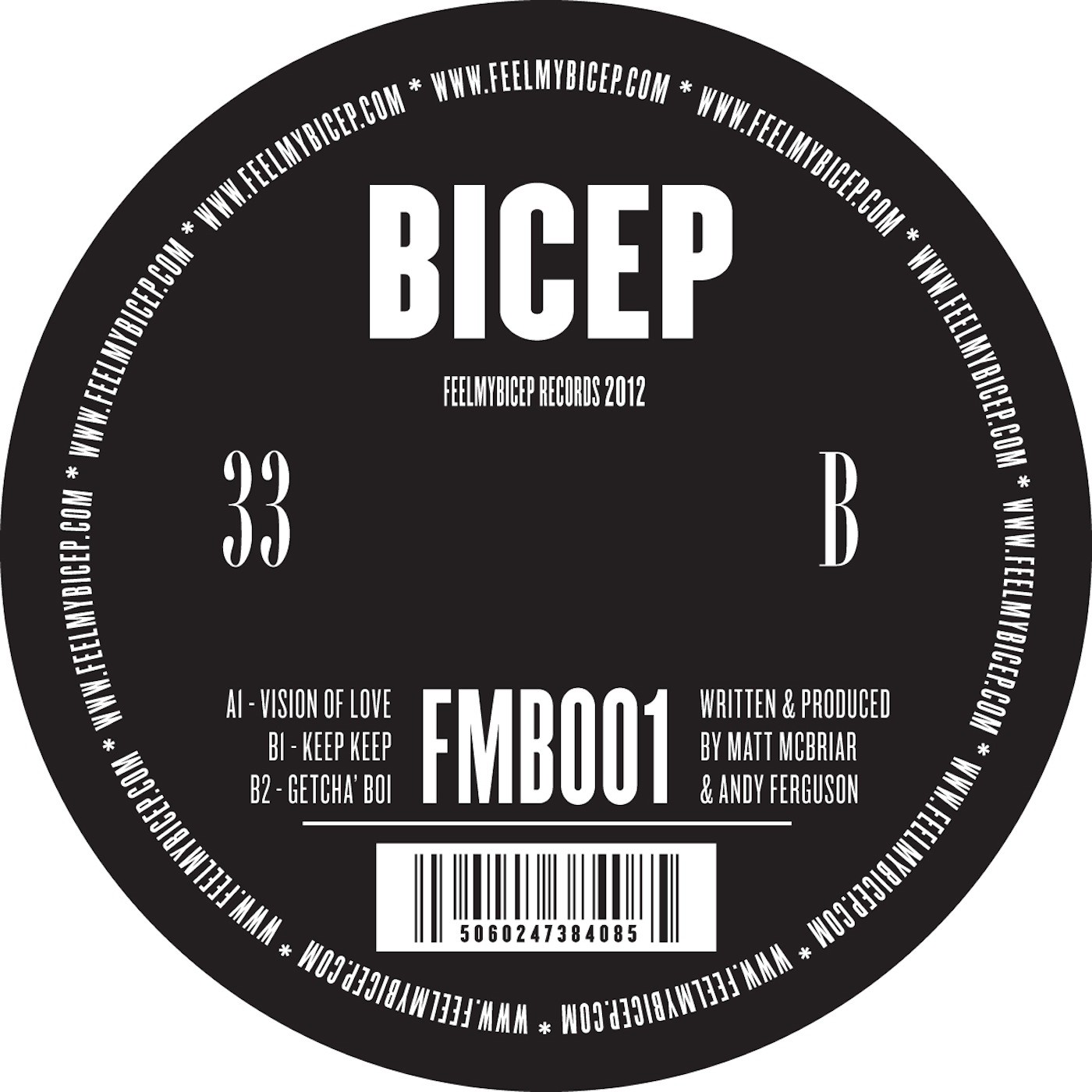
Releases on Throne of Blood, Traveller Records and Love Fever.
From those humble origins, FEEL MY BICEP became a vital online destination for dance music aficionados, regularly chalking up over 100,000 visitors a month. This spawned a club night and record label, while its signature BICEP trefoil logo – designed by Matt himself – became one of the most iconic symbols in underground dance music. It wasn’t long before the pair graduated to being highly sought-after DJs, their sets reflecting the eclecticism of these online curations.
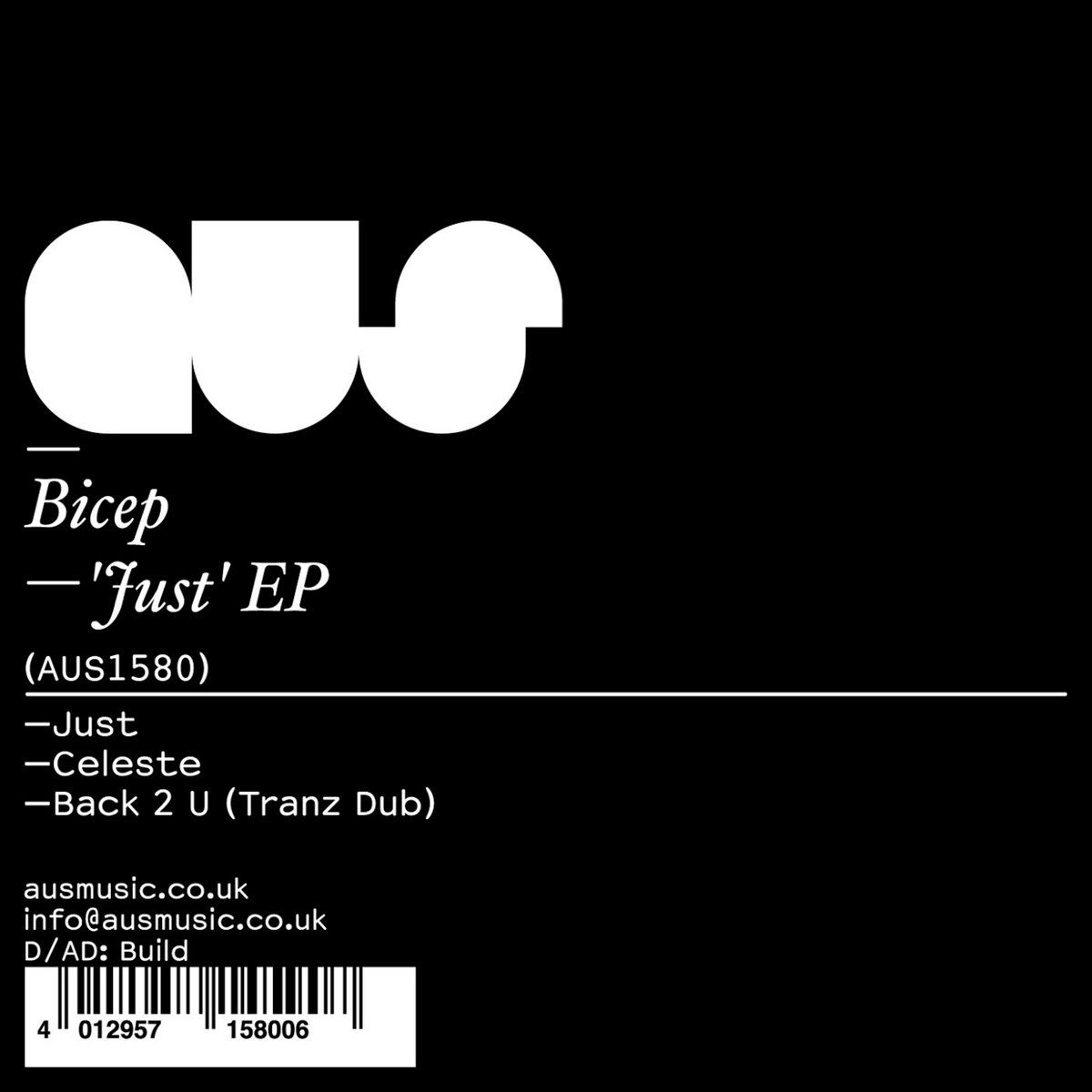
Initially playing individually as FEEL MY BICEP in Europe and Asia, they reunited in London and “have been making music every day since”. As producers, too, they soon found success. Following a release on Throne of Blood, Will Saul soon snapped them up for a string of releases on his Aus Music imprint. Chief among these was the certified classic ‘Just EP’, whose dazzling title track became the undisputed club sound of 2015, earning both Mixmag and DJ Mag’s ‘Track of the Year’.
BICEP have collaborated repeatedly with compatriot Hammer, as well as with another groundbreaking UK duo, Simian Mobile Disco. They’ve also remixed for the likes of Blood Orange and 808 State, and been remixed by industry titans Steffi and Four Tet.
EPs on labels including Aus Music (You/Don’t, Just) and collaborations with Simian Mobile Disco and Midland.
Signed to Ninja Tune in 2017, their self-titled debut album was released to universal acclaim later that year. ‘BICEP’ attained a Top 20 entry in the UK charts, garnering plaudits from the likes of Pitchfork, Resident Advisor and the Guardian, as well as a cover feature in Mixmag to add to that magazine’s gong for “Album of the Year”. Tracks like “Opal” – and the subsequent Four Tet remix – as well as the record’s lead single “Glue”, with its iconic Joe Wilson-directed video, became touchpoints for electronic music in 2017, with the latter named DJ Mag “Track of the Year”. The “Glue” video, alongside BICEP’s RA Live performance were also recently included in the lauded ‘Electronic’ exhibition, first shown at the Philharmonie de Paris last year and most recently at London’s Design Museum.
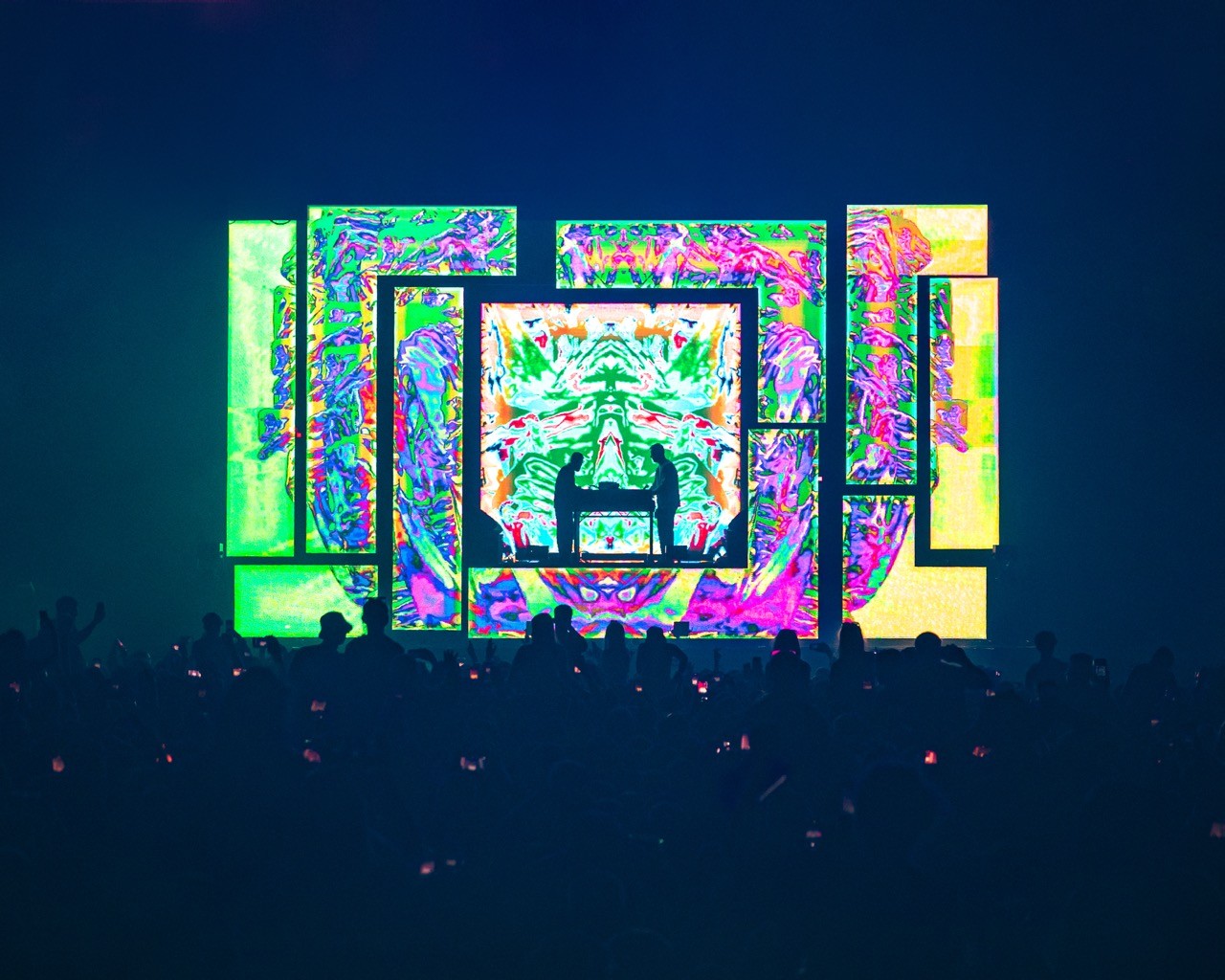
Debuting in 2017, their BICEP LIVE show is now an infamous spectacle, renowned for its epic, immersive production and visuals from Black Box Echo’s Zak Norman. Their subsequent touring has seen them play across some of the world’s most revered festival stages, as well as sold-out headline shows across the UK, Europe, North America and beyond. This includes back-to-back sold-out performances at London’s 10k capacity Alexandra Palace, three sold-out nights at London’s O2 Academy Brixton, plus headline slots at the likes of Glastonbury – where they closed the festival’s second biggest stage in front of 35k people with a now legendary set that was televised on the BBC via their online iPlayer platform – Primavera (Barcelona and Los Angeles), Parklife, Wide Awake, AVA, Portola and Field Day.
Following a three-year hiatus, BICEP LIVE returns with a special show at London’s iconic Royal Albert Hall, on Thursday 26th November 2026.
In 2022, BICEP also played a headline arena tour throughout Europe including Zenith Paris, Lotto Arena Antwerp and UFO Velodrom Berlin, and a run of high-profile festival and headline shows across North America which included Primavera LA and Portola festival in San Francisco, as well as a sold-out tour of Australia – including stops in Sydney, Melbourne, and Brisbane – and two North American tours that included a sold-out show at NYC’s Knockdown Center, Portola festival in San Francisco, shows in Denver, Chicago, Austin and more.
The closing night of their triumphant three-night sold-out run of shows at Printworks in London in 2018 was recorded by Resident Advisor for their ‘RA Live’ series, with more than 5 million views to date on YouTube alone, and in September 2020, with the live music & touring industry in a state of flux, BICEP announced an innovative one-off ticketed livestream performance – one of the first of its kind for an electronic artist – broadcast across five different time zones, and watched by people in over 70 countries.
Hailed by the BBC as “one of the biggest names in UK dance”, BICEP released their hotly anticipated second album, ‘Isles’, in January 2021. Met with widespread acclaim from critics and fans alike, ’Isles’ was described as “a tour de force of neon euphoria” (Resident Advisor), “brimming with restless energy” (Evening Standard), “one of the defining dance music albums of 2021” (Mixmag), “intricate, moody, nostalgic, introspective and emotional” (Billboard) and named The Guardian’s ‘Album of the Week’. It debuted at #2 on the UK Official Albums Chart and #1 on the UK Official Vinyl Albums Chart, earning them two BRITs nominations – for Best British Group & Breakthrough Act – in the process.
The pair cite moving to London, and the breadth of music this exposed them to, as key to their growth as musicians in this time, expanding their musical palette with a world of new sounds, taken from every conceivable source. Both cite the joy of discovering Hindi vocals, Bulgarian choirs, or manically hitting Shazam in the hopes of identifying a Turkish pop song in a Dalston kebab house. London offered BICEP the sounds of Detroit, Delhi, Durban and Derby, all in one place.
“We embraced it,” says Andy. “There’s so much choice. You just don’t get bored. When we arrived here, you could go to a different night every day of the week, that was the big selling point for us. The amount of excitement and hunger, the chance to experience new things, it was off the charts. So, we came and lived on the breadline for a few years, not even fazed at all”.
These influences fed into their second LP, ‘Isles’, a record they describe as being more moody and introspective than their debut. “The previous record was written from a very happy and almost naïve place,” says Andy. “Our starting point was very different this time”. Drawn from 150 demos, its ten tracks see the pair distilling their sound to its purest essence, from harder Belfast origins to the more global and contemplative influences they’ve picked up across the water.
Two live-stream performances during the pandemic, including a set at London’s Saatchi Gallery.
Following the release of ‘Isles’, BICEP took a detour via the ambitious, sprawling CHROMA project which unfurled across almost two years via their own record label of the same name. The releases on CHROMA – all of which feature Ferguson & McBriar in some form – have truly lived up to the label’s ethos to cover everything “from Acid to Alkaline”, becoming a home for their own more underground club-focused productions, and also a platform to share their wider music styles. The label concluded last year with the release of ‘CHROMA 000’, a collectible, limited edition vinyl, featuring a special edition case, compiling all of the series tracks to date, plus two new bonus versions, designed with the unique and distinctive CHROMA visual identity created in collaboration with David Rudnick and his Terrain studio.
CHROMA also comprised a series of curated events and a constantly evolving hybrid DJ/Live CHROMA AV show which toured the globe with more than 70 shows playing to over 500k people, including prime slots at iconic festivals as well as two sold-out takeovers of London’s Finsbury Park, Brighton Beach and consecutive annual takeovers of London’s 15k capacity Drumsheds.
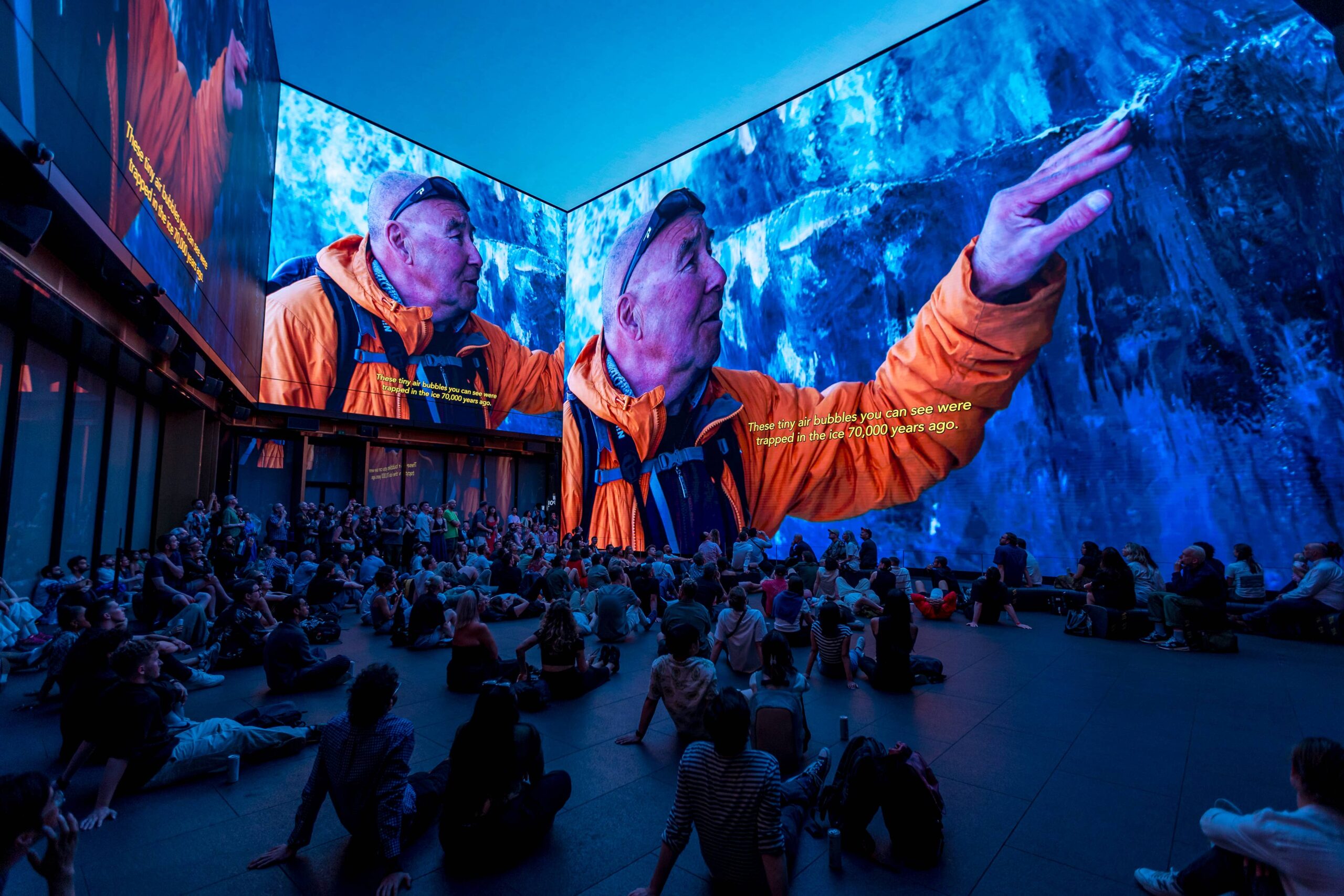
In 2025 BICEP revealed their ‘TAKKUUK (Original Soundtrack)’, part of a new immersive installation created with visual artist Zak Norman and filmmaker Charlie Miller (in partnership with the charity In Place of War, as part of their EarthSonic programme). The TAKKUUK installation and Soundtrack release sees BICEP collaborating with a number of Indigenous vocalists, including Katarina Barruk, Andachan, Sebastian Enequist (from Sound of the Damned), Tarrak, NUIJA, Niilas and Silla. The vocals were recorded in 2024 by Detroit-based producer and musician Matthew Dear in Árni Árnason from The Vaccines’ studio, during Iceland Airwaves festival in Reykjavík. The resulting demos, combined with additional field recordings taken by Ferguson from the Russell Glacier in Greenland, form the backbone of this unique soundtrack, which BICEP then produced and recorded in their London studio.